
Biomass collection
Cotton stalks, orchard prunings and fruit pits that are burned in the fields today are collected by Bio-Kishovarz members and other agricultural producers.
Result: recorded feedstock — how much, from where, from which field
National carbon credit platformRepublic of Tajikistan
CARBON.TJ collects crop residues, converts them into biochar and issues verifiable CO₂ removal credits — to the benefit of farmers in Sughd and Khatlon. We are looking for partners to launch the first projects.
Are you a farmer or a cooperative? How to take part →

burned in the fields today
heating without oxygen
holds water and nutrients
after independent verification


Growth in industry, energy and agriculture comes with rising CO₂ emissions and threats to biodiversity. This calls for systemic solutions rather than isolated projects.
After the boom of 2020–2021 and the volatility of 2022–2023, carbon credit buyers now demand additionality, durability and no double counting4. CARBON.TJ is built for this demand from day one.
Biochar takes CO₂ out of the atmosphere and locks it in the soil for centuries. These credits (CDR — Carbon Dioxide Removal) are bought by technology companies and cost many times more than standard ones1.
Four steps, each producing a verifiable result — the basis of buyer trust.
Cotton stalks, orchard prunings and fruit pits that are burned in the fields today are collected by Bio-Kishovarz members and other agricultural producers.
Biomass is heated without oxygen. The carbon does not burn; it turns into a stable porous form — biochar.
Biochar is applied to the fields. It holds water and nutrients, and the carbon stays in the ground for centuries.
An independent auditor verifies the data under an international methodology. Only then are credits issued to a registry and sold on international and regional markets.
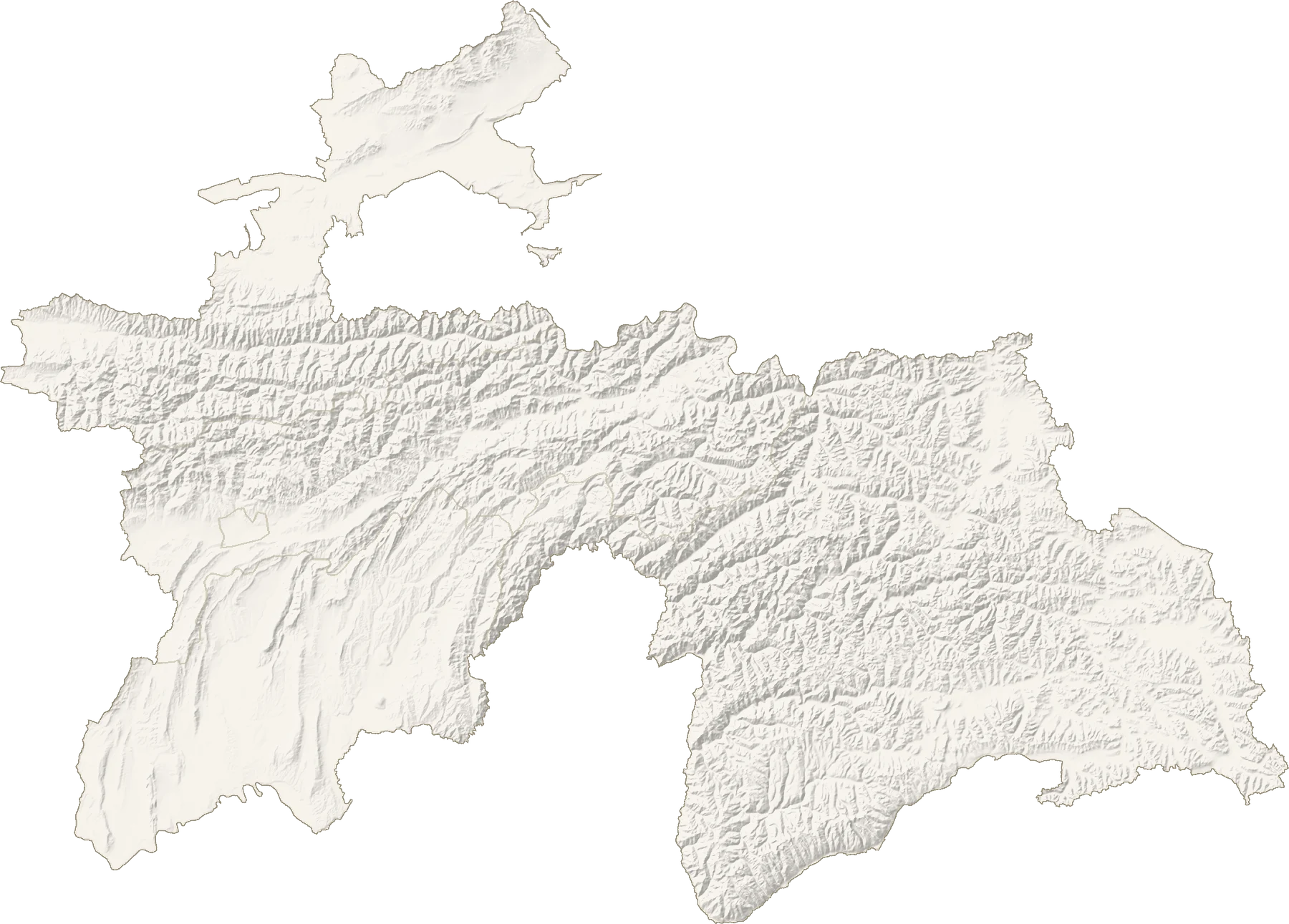
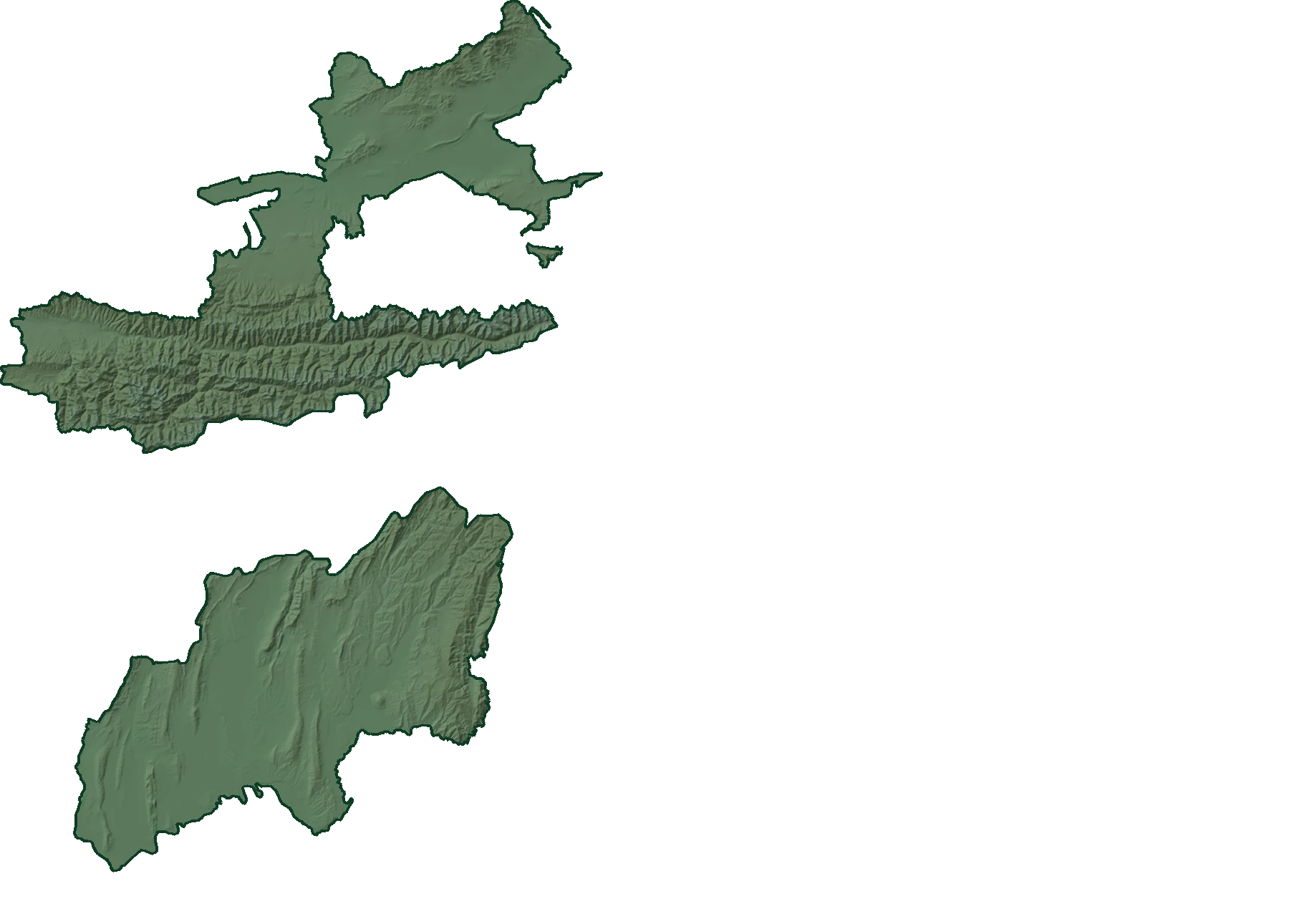
Choose a scale — from a single farm to the whole country — and see what crop residues can become.
Farmer-based biochar projects using crop residues are signing contracts with the largest buyers of CDR credits.
Biochar from cotton stalks that used to be burned in the field. Farmers are paid for feedstock and receive a share of the credits. Contracts with Google and Microsoft.
The cooperative supplies coffee husks to the plant, and the biochar goes back to its members’ fields as a soil amendment.
The largest biochar deal: the buyer commits in advance to purchase credits, and production is built around that contract.
Part of a country’s external debt is written off or restructured, and the savings are directed to nature conservation and sustainable agriculture.
Creditors agree to write off or restructure part of the debt.
Funds go to biodiversity, sustainable agriculture and reforestation.
Agreements between the government, donors and environmental organisations.
Nine goals against which the platform’s results will be measured.
Lower CO₂ and other greenhouse gas emissions
Soil regeneration with biochar and organic practices
Transition to organic agriculture
Biodiversity conservation
A national carbon credit certification system
Lower public debt through Debt-for-Nature Swaps
Attracting international investment and donor support
Growth of the green economy and new jobs
Tajikistan as a regional leader in sustainable development
Carbon accounting methodology for biochar used in soil and other applications.
Framework methodology for soil organic carbon (SOC).

Requirements for biochar quality and its safe use in soil.
The project plans to seek certification under these standards; it is not certified at this time.
LEAN Solutions is one of the leading consulting companies in Central Asia, specialising in business process optimisation, LEAN and Kaizen, digital transformation and strategic development of companies and projects. It helps clients achieve meaningful results, reduce costs and strengthen their market position.
The non-profit cooperative Bio-Kishovarz was founded in 2012 with the support of Helvetas Swiss Intercooperation and GIZ and brings together organic farmers in Tajikistan who use environmentally friendly farming methods. It pioneered the production and export of organic cotton and rotation crops, building a sustainable model of organic agriculture in the country.
The Tajikistan Chamber of Consultants is a professional community of experts and consultants created to develop the consulting market, raise the quality of services and promote sustainable practices in business and public projects. It serves as a platform for knowledge sharing, cooperation and the adoption of international standards.
A certificate confirming that one tonne of CO₂ equivalent has been removed from the atmosphere or not emitted. A credit is issued only after independent verification and is recorded in a registry so it cannot be sold twice.
Biochar is made from crop residues by pyrolysis — heating without oxygen. It is not burned but added to soil: the carbon stays stable for centuries, and its porous structure holds water and nutrients.
They confirm the physical, long-term removal of CO₂ rather than a promise not to emit it. Supply is limited, while demand from companies with net-zero targets is growing.
That risk exists, which is why we support the “reduce first, then offset” principle: credits should cover only residual emissions that cannot be eliminated. And biochar’s benefits for soil and water remain regardless of the credit market.
Contact the project team by phone or email. We will explain how participation will work, what field and feedstock data are needed and how record-keeping is organised.
The Biodiversity Finance Initiative is a UNDP programme that helps countries assess their nature conservation funding needs and find sources of finance.
We welcome partnerships with donors and international organisations, carbon credit buyers and agricultural producers.
Integration with BIOFIN and the Debt-for-Nature Swaps mechanism.
Discuss a partnership → Credit buyersBiochar CDR credits from Central Asia.
Request information → Farmers and agribusinessPayment for storing carbon, plus healthier soil.
Call us →